
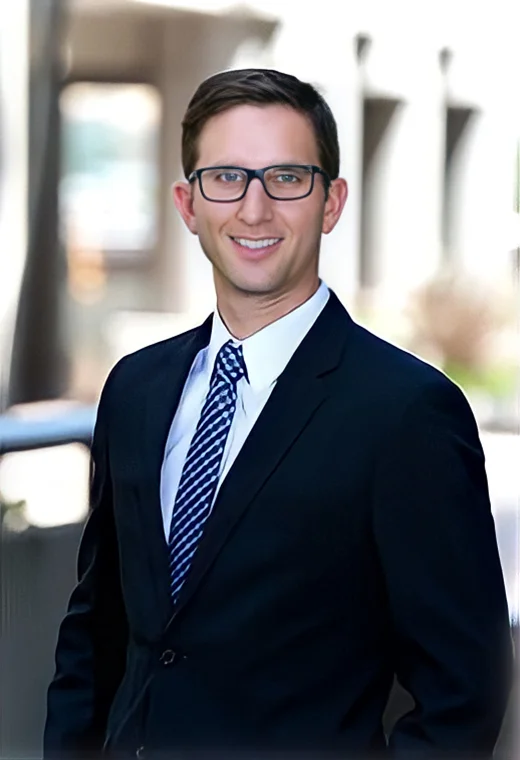
Managing Partner
Preventing drowning tragedies is not only about understanding risks—it also involves recognizing the responsibilities of those who own or operate swimming facilities. Drowning cases frequently reveal significant gaps in safety practices, making accountability crucial in protecting lives.
Common Locations and Their Unique Risks
While swimming pools often symbolize fun and relaxation, they carry inherent dangers when safety protocols are neglected. Beyond residential pools, drownings commonly occur at hotels, resorts, community centers, water parks, and school facilities. Each of these locations presents unique risks and requires tailored preventive measures to ensure the safety of all swimmers.
Hotel and resort pools often see high traffic with guests who may be unfamiliar with the environment or safety rules. In these scenarios, clear signage, accessible rescue equipment, and properly trained lifeguards can significantly reduce drowning risks. Similarly, water parks and community centers must implement rigorous staff training programs, regular maintenance routines, and strict adherence to safety guidelines to minimize accidents.
Importance of Proper Safety Measures
Proper safety measures include regular inspection and maintenance of pools and equipment, thorough lifeguard training programs, clear and conspicuous safety signage, and robust emergency response plans. Additionally, facility operators must ensure their pools are designed with appropriate safety barriers, alarms, and emergency equipment readily accessible to minimize risks effectively.
Expertise in Drowning Litigation
At Casper, Meadows, Schwartz & Cook, we have extensive experience in litigating drowning cases across various venues. Our attorneys deeply understand the intricacies of safety regulations and industry standards. This expertise allows us to identify failures in duty and hold negligent parties accountable.
Our approach involves collaborating with premier aquatic safety experts and accident reconstructionists who can pinpoint exactly how and why an incident occurred. By uncovering the root causes, we not only secure justice for victims but also promote better industry practices that help prevent future tragedies.
Advocating for Improved Safety Standards
Our successful representation in numerous drowning cases has driven positive changes in safety protocols at facilities across California. By holding operators accountable, our legal advocacy has contributed to improved safety standards, ultimately protecting countless lives.
If you’ve experienced the devastating impact of a drowning incident, our dedicated attorneys at Casper, Meadows, Schwartz & Cook offer both empathetic support and assertive legal representation. We believe that accountability today leads to safer swimming environments tomorrow.