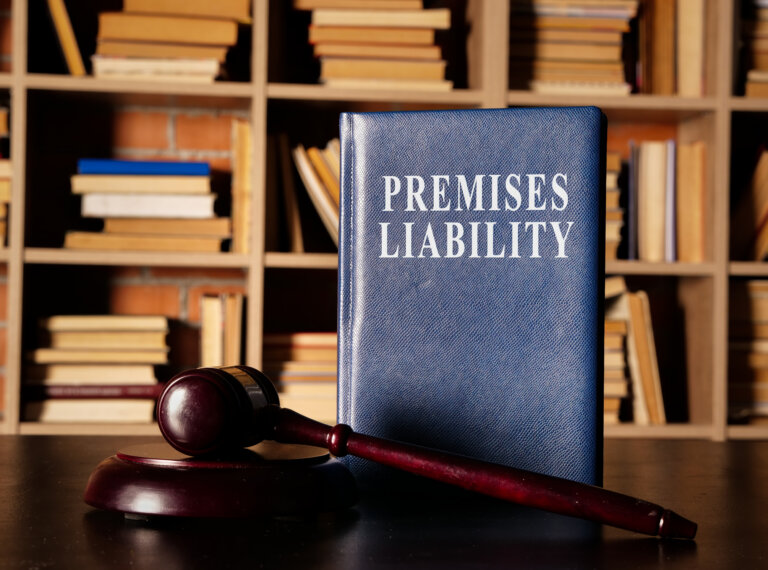

What Is Premises Liability Law?
Premises liability is a category of personal injury law that applies when someone is injured due to unsafe or defective conditions on property owned, leased, or controlled by another party. These cases are typically grounded in negligence, meaning the injured person must show that the property owner failed to exercise reasonable care under the circumstances.
Unlike intentional harm cases, premises liability claims often turn on everyday issues. A spill that was not cleaned up, a broken stair that went unrepaired, or a poorly lit walkway can all form the basis of a claim if they create an unreasonable risk of injury. California law does not require property owners to guarantee safety, but it does require them to act reasonably in maintaining their property and warning visitors about hidden dangers.
Premises liability claims can arise from both short-term hazards and long-standing conditions. In either situation, the focus is on what the responsible party did or failed to do before the injury occurred.
Legal Status of Premises Liability Claims
California evaluates premises liability claims partly based on the injured person’s legal status on the property. This status helps define the scope of the duty of care owed.
Invitees
Invitees are individuals who enter property for business purposes or because the property is open to the public. This includes customers, tenants using common areas, delivery workers, and patrons of public venues.
Property owners owe invitees a broad duty of care, which generally includes:
- Regularly inspecting the property for unsafe conditions
- Repairing hazards within a reasonable time
- Providing clear warnings when immediate repairs are not possible
Failure in any of these areas can support a premises liability claim if an injury occurs.
Licensees
Licensees are permitted visitors who enter property for their own purposes, rather than for a business or public use. Owners must warn licensees of known dangers that are not obvious. While owners are not always required to actively inspect for unknown hazards, ignoring known risks can still lead to liability.
For example, if a homeowner knows about a loose stair tread and does not warn a guest, the owner may be responsible for resulting injuries.
Trespassers
Trespassers generally receive a lower level of legal protection. Property owners must avoid intentional or reckless conduct that could cause harm, but they are not required to make the property safe for uninvited visitors.
However, liability may still arise in situations where owners know trespassing is common and fail to address hazardous conditions that pose a foreseeable risk.
Attractive Nuisance
The attractive nuisance doctrine recognizes that children are less able to recognize danger. When a property contains features likely to attract children, such as pools, construction equipment, or abandoned structures, owners may be required to take appropriate safety measures to prevent access or reduce the risk of injury.
These cases often involve a detailed analysis of foreseeability, accessibility, and the cost of preventive measures.
Where Does Premises Liability Law Apply?
Premises liability law applies broadly across residential, commercial, and public properties.
Apartment Buildings
In Contra Costa County, landlords and property managers are responsible for maintaining common areas that tenants and guests use. This includes stairwells, elevators, walkways, parking garages, and shared recreational spaces.
Claims often arise from poor lighting, broken handrails, uneven flooring, water leaks, or security issues that were not addressed despite prior complaints.
Swimming Pools
Pools present unique risks, especially for children. Owners may be responsible for fencing, locked gates, posted warnings, maintenance, and compliance with local safety codes. Pool-related injuries often involve questions about supervision and access control.
Sidewalks
Sidewalk liability depends on ownership and control. In Contra Costa County, some sidewalks are maintained by private property owners, while others fall under municipal responsibility. Claims involving public entities may involve additional notice requirements and shorter deadlines, which can affect how quickly action must be taken.
Public Amenities and Establishments
Stores, restaurants, malls, theaters, parks, and government buildings are common locations for premises liability claims. These cases often involve slip and fall incidents, falling merchandise, unsafe design features, or crowd-related hazards.
What Are Some Examples of Premises Liability?
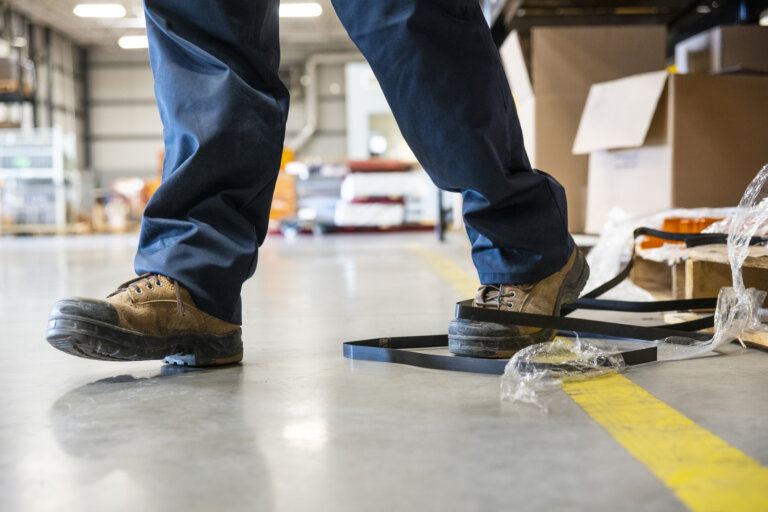
Premises liability claims can stem from a wide range of conditions, including:
- Wet floors without warning signs
- Uneven pavement or cracked concrete
- Inadequate lighting in stairways or parking areas
- Loose carpeting or damaged flooring
- Falling objects from shelves or displays
- Dog bites occurring on private property
- Inadequate security leading to assaults or robberies
Each situation requires a fact-specific analysis of how the hazard developed and whether reasonable steps could have reduced the risk.
Essential Elements of a Successful Premises Liability Claim
A strong premises liability claim is built on several interconnected elements.
Legal Presence
To recover compensation, you generally must show that you were lawfully on the property or otherwise owed a duty of care. This includes customers, tenants, social guests, and others who had permission to be there. In limited situations, such as cases involving children or known trespassing patterns, a duty may still apply even without explicit permission.
Establishing Ownership or Control of the Property
Responsibility usually falls on the party that owned, leased, occupied, or controlled the property at the time of the incident. This is not always obvious. Liability may involve landlords, tenants, property management companies, or multiple parties at once. Identifying who had control over maintenance and safety decisions is often a key early step.
Establishing Duty of Care
The duty of care depends on the injured person’s status and how the property was being used. Courts look at whether the owner took reasonable steps to keep the property safe under the circumstances. This analysis often considers the nature of the property, how frequently it is used, and whether the risk was foreseeable.
Documenting Hazardous Conditions
Clear evidence of the dangerous condition strengthens a claim. Photographs, video footage, inspection logs, and witness statements can help show what caused the injury and how visible the hazard was. Documentation is especially important when conditions are temporary or repaired quickly after an incident.
Proving Knowledge or Foreseeability
A successful claim must show that the owner knew, or reasonably should have known, about the hazard. This may be established through prior complaints, maintenance records, employee testimony, or evidence that the condition existed long enough to be discovered during routine inspections.
Demonstrating Breach of Duty
A breach occurs when the owner fails to act reasonably, such as by ignoring repair requests, delaying maintenance, or failing to warn visitors of known dangers. The focus is on what actions were taken, and whether those actions were sufficient given the risk involved.
Linking the Breach to the Injury
Finally, there must be a direct connection between the unsafe condition and the injury suffered. Medical records, treatment timelines, and professional opinions help show that the hazard caused the harm claimed, rather than an unrelated event or preexisting condition.
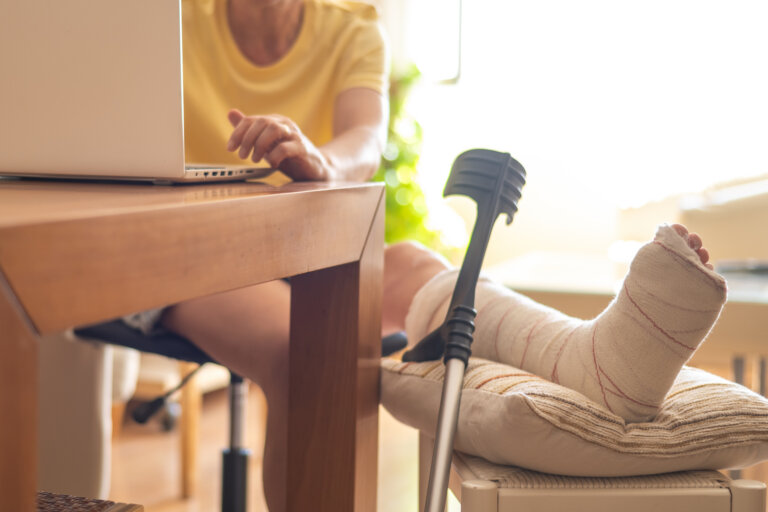
How Do You Win a Premises Liability Case?
Winning a premises liability case requires preparation, documentation, and strategic decision-making.
Preserving Evidence
Evidence at the scene can disappear quickly. Taking early steps to document what happened can help preserve details that might otherwise be lost, including:
- Photographs or videos showing the hazardous condition and surrounding area
- Contact information for witnesses who saw the incident or the condition beforehand
- Copies of any incident or accident reports created at the property
This information can later help show how dangerous the condition was, how long it existed, and whether it should have been noticed and addressed by the owner or manager.
Working With Medical Professionals
Medical treatment plays a central role in any premises liability case. Prompt care creates a clear record connecting the injury to the accident. Follow-up visits, diagnostic testing, and specialist referrals help document the full scope of harm, including complications that may not be obvious right away. Gaps in treatment or delays in care can give insurers room to argue that injuries were minor or unrelated.
Communicating With Insurance Companies
Insurance companies often reach out quickly after a reported injury. While cooperation is part of the process, early statements can be taken out of context or used to shift blame. Insurers may also request recorded statements or broad medical authorizations. Understanding what information to provide and when can help avoid unnecessary disputes later in the case.
Timing and Legal Deadlines
California premises liability claims are subject to strict filing deadlines. Most claims against private property owners must be filed within two years of the injury date. If the injury occurred on public property, such as a city sidewalk or government building, a government claim usually must be filed within six months. Insurance negotiations do not pause these deadlines. Acting early helps preserve evidence, protects your right to recover damages, and avoids losing a claim based solely on timing.
Considering Comparative Fault
California follows a comparative fault system, meaning compensation may be reduced if an injured person is found partly responsible for the accident. Property owners and insurers frequently argue that a hazard was obvious or that the injured person was not paying attention. Clear evidence and consistent testimony help counter these arguments.
Common Pitfalls to Avoid
Certain missteps can weaken an otherwise strong premises liability case. Common issues that can create challenges include:
- Failing to document the scene or hazardous condition
- Delaying medical treatment after the injury
- Discussing the incident or injuries on social media
- Attempting to negotiate directly with an insurance company without guidance
Small details often matter in premises liability cases, and early decisions can have a lasting effect on the outcome.
Preparing for Settlement or Trial
Most premises liability cases resolve through settlement, but preparing as if the case may proceed to trial often leads to better outcomes. This includes organizing evidence, consulting qualified professionals, and developing a clear narrative that explains how the injury occurred and why compensation is warranted.
What Damages Can You Recover From a Premises Liability Lawsuit?
Compensation in premises liability cases is designed to address both financial losses and personal harm.
Economic Damages
Economic damages cover measurable losses, including:
- Medical expenses
- Future medical care
- Lost wages
- Loss of earning capacity
Non-Economic Damages
Non-economic damages reflect the personal impact of an injury, such as pain, emotional distress, and loss of enjoyment of daily activities.
Calculating Damages
Damages are supported by documentation, testimony, and medical evaluations. The goal is to present a clear picture of how the injury has affected your life. Insurers often challenge the scope or duration of damages, which makes consistent records and timelines especially important.
Do You Need to File a Premises Liability Lawsuit in Court?
Not every claim requires filing a lawsuit. Many are resolved through negotiations with insurance carriers. A lawsuit may be necessary when liability is disputed, damages are minimized, or deadlines are approaching. Filing suit preserves your right to pursue compensation if settlement efforts fail.
Do You Need an Attorney for Your Premises Liability Claim?
You are not required to hire an attorney to pursue a premises liability claim, but legal guidance can affect how the case unfolds. These claims often involve questions about property control, maintenance practices, and whether a hazard existed long enough to be addressed. A personal injury attorney can help identify responsible parties, preserve evidence, and respond to insurance challenges such as disputed liability or comparative fault. Legal support is also helpful when injuries require ongoing care or when settlement efforts fail to reflect the full impact of the injury.
Where Can You Find an Experienced Premises Liability Lawyer?
If you were injured due to unsafe conditions on someone else’s property in Contra Costa County, guidance matters. At Casper, Meadows, Schwartz & Cook, we help injured individuals understand their options, assess liability, and pursue compensation that reflects the full impact of their injuries.
If you have questions about a potential premises liability claim, contact Casper, Meadows, Schwartz & Cook to discuss your situation and learn how we can help.